Gluten free cooking can be fun!

Has gluten free cooking been thrust upon you because either you or a family member has been told they have celiac (or coeliac) disease or an intolerance to gluten?


It can be a challenge to learn to cook without some of the main ingredients that most of us take for granted. And, if you haven't really cooked at all before, you might be wondering where to start?

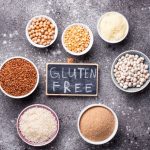
Well let me reassure you that many foods are naturally gluten free and quite safe to eat. Those that do contain gluten often have alternatives that you can use instead. It might take some experimentation to discover how to use them, but if you think of it as a challenge then gluten free cooking can actually be fun!

Some of these alternative foods will taste different to what you may be used to. But that doesn't make them a poor second. In fact many of them have a higher nutritional value than the wheat, barley and rye products that you must avoid to stay healthy.

Once your body starts to heal itself on the gluten free diet then it will be able to make use of all the additional nutrients it is receiving and you will feel heaps better.

This website will introduce you to these "new" foods and how to cook them. It will give you ideas for breakfast, lunch and dinner menus. You will find simple recipes to try and enjoy, and hints and tips for family meal planning.

But first we need to look at some ways to ensure that the food you cook does not get contaminated by unsafe ingredients if other members of the family do not need to follow the diet.


Gluten Free Food Storage - the fist step to safe gluten free cooking

  • Try to keep gluten free foods away from items that could contaminate them
  • Instead of leaving gluten free flours in the paper bag they are bought in, transfer them to a sealable container before putting them away
  • Wheat flours, if required by other members of the family, should be kept in sealed containers preferably in a separate cupboard
  • Biscuits and cookies, again, could be stored in a tin, rather than putting an opened packet back on the shelf
  • If your child is the one on the special diet, try to store the food they shouldn't eat out of sight on the higher shelves. Safe snacks can be kept where they can reach them if they get hungry between meals
  • It is often easier to just keep gluten free sauces in the home. It lessens the chance of picking up the wrong bottle and tipping it into, or on, your food without thinking.
  • If it is necessary to have sauces that are unsafe for the coeliac, try to give them their own place in the kitchen and always return them, so that mistakes are less likely to happen.


Gluten Free Food preparation

  • Before starting your gluten free cooking, thoroughly wipe down any surfaces. Even if you can't see them, there may be traces of breadcrumbs or other unsafe foods lurking!
  • Chop the gluten free ingredients first, on a chopping board that is used for nothing else.
  • Do not marinate meats in soy sauce, unless you use Tamari which is gluten free
  • Do not dip meats into wheat flour before frying them


Safe gluten free cooking

If you can, try to cook the same meal for all members of the household, ensuring it is safe for the coeliac. If you do need to cook two separate meals there are some things to keep in mind...

  • Do not dip your spoon into a saucepan of wheat pasta and then into the special meal! You will need separate utensils for the gluten free dishes.
  • Do not place sausages or breaded food on the grill at the same time as the food you are cooking for the coeliac sufferer. If the grill has been used for such food beforehand, wipe it and cover it with foil before grilling the gluten free food or, if it is too hot, use a clean frying pan instead.
  • Do not strain gluten free foods in the same colander that has been used for wheat pasta. Pasta leaves a sticky residue that is sometimes difficult to remove.
  • Do not fry potato chips/french fries or other food in the deep fat fryer if the oil has previously been used for breaded/battered items! Some remnants will still be in the fat and will contaminate the potatoes. (By the way, you also need to check the ingredients on frozen chips. They may have a coating or seasoning on them)
  • If cooking two meals in the oven, use the top shelf for the gluten free version. Cook other foods at the bottom where they will not cause harm if they overflow
  • Do not toast gluten free bread in the toaster that everyone else uses. However clean you keep your kitchen, if you turn your toaster upside down and shake it you will find crumbs. These are enough to cause harm to a coeliac sufferer.


Avoiding contamination when serving gluten free meals

After taking care with your gluten free cooking be extra careful not to lose concentration at the end and pour gravy over the gluten free meal! Even my mum has done this without thinking. The same goes for custard and other sauces.

Don't pop a bread roll on the side of the plate or sprinkle croutons atop the gluten free salad.

Jams, jellies, honey and margarine can easily be contaminated by re-using a knife after spreading wheat bread. To avoid having to buy two jars of everything, try to educate the rest of the family not to do this. It is easy enough to use a spoon to deposit the jam on the side of the plate and then each person use their own knife for spreading. If their are younger members of the family that find this difficult then either spread the bread for them or divide the jar/tub up when you first buy it, transferring some of the contents into a labelled container to keep it gluten free. If you follow the tips above, and use your common sense, gluten free cooking should not carry too much risk of contamination. It is well worth the trouble and care to keep those you love safe and well.


Subscribe to Gluten Tag - say hello to a new way of eating. Monthly newsletter contains hints, tips and recipes.


Enter your E-mail Address

Enter your First Name (optional)

Then

Don't worry -- your e-mail address is totally secure.
I promise to use it only to send you Gluten Tag.

XML RSS
What is this?
Add to My Yahoo!
Add to My MSN
Add to Google


Copyright© 2007. Please note I am not a doctor, just a fellow sufferer of coeliac disease.
Therefore no information on this site should be taken as medical advice.
Return to top of gluten free cooking
Return to Home Page